


Quick Answer
The defining furniture trend in India in 2026 is flexibility. Hybrid work, compact urban homes, shared hostels, modern classrooms and fast-growing factories all need furniture that can be rearranged, expanded and stored without waste. Modulartek Furniture, a manufacturer, supplier and dealer serving Pune, Nashik, Hyderabad and the rest of India, offers a complete range of modular office furniture, ergonomic seating, steel storage, home furniture and school furniture built around this shift.
Introduction: Furniture Is No Longer Just Furniture
A decade ago, buying furniture for an office was simple: one desk and one chair per employee, cupboards in the corners, done. That approach no longer works. Companies run hybrid schedules, teams expand and shrink within a single year, and employees expect workplaces that care for their health. At home, rising property prices have pushed families into smaller apartments where every square foot must serve more than one purpose. Schools are moving toward activity-based learning, and factories now see organised storage as a measurable factor in safety and productivity.
Across every setting the same question keeps coming up: can this furniture adapt? Furniture that adapts saves money, because it does not need replacing when needs change. It saves space, protects people through ergonomic design, and supports sustainability because durable products reduce waste.
This guide explains the major trends and then walks through twelve product categories with typical specifications. Each product has a photo slider: use the arrows (or swipe on mobile) to move through the pictures. Every product can be customised in size, finish, colour and configuration.
The Five Trends Driving Furniture Demand in India in 2026
1. Hybrid Work and Hot-Desking
When employees split their week between home and office, not every person needs a permanent desk. Companies are adopting shared desks, collaboration zones and quiet pods, which creates demand for modular workstations, adjustable chairs that suit many users, and personal lockers.
2. Ergonomics as a Health Priority
Back pain, neck strain and eye fatigue are now recognised workplace health issues. Employers are investing in chairs with proper lumbar support, desks at the correct height and layouts that encourage movement. Ergonomics is a basic expectation, not a luxury.
3. Space Optimisation in Compact Spaces
Whether it is a startup office in Pune, a co-working floor in Hyderabad or a flat in Nashik, space is expensive. Furniture that stacks, folds or combines storage with seating is increasingly popular, from hostel bunk beds to vertical storage racks.
4. Durability and Sustainable Choices
Buyers are shifting from cheap, short-lived products toward furniture that lasts. Powder-coated steel, quality engineered boards and well-built frames reduce replacement cycles. A product that serves ten years instead of three has a far smaller environmental footprint.
5. Flexible Learning Environments
Schools and colleges are moving toward group work and activity zones. Furniture must be light enough to move, sturdy enough for daily use and safe for children, with rounded edges and stable construction.
1. Modular Office Furniture
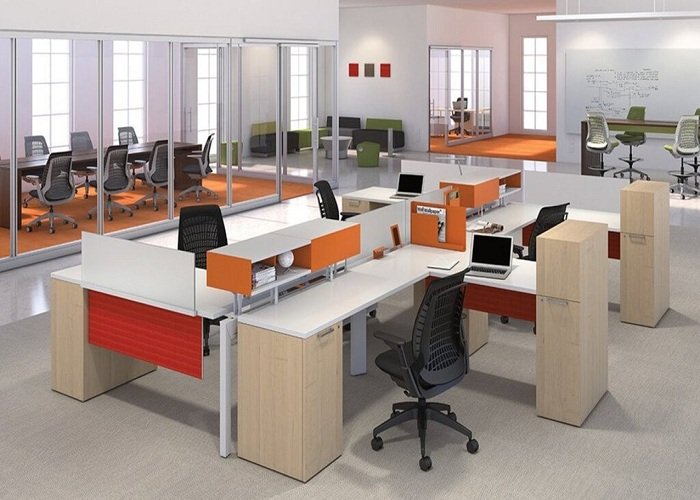
Modular office furniture is built from standardised units such as desks, partitions, storage, meeting tables and reception counters that connect in many different ways. Instead of redesigning the whole office when the team grows, you add or rearrange modules, which makes it one of the most cost-efficient investments for growing businesses.
Typical specifications
- Board: 18–25 mm pre-laminated particle board or MDF with PVC edge banding
- Frame: powder-coated mild steel
- Features: cable management, privacy screens, lockable pedestals
- Best for: IT offices, startups, call centres, banks, corporate offices
Good to know: Modular systems reduce downtime during reorganisation, make better use of floor area and keep the office looking cohesive as it grows. Modulartek Furniture supplies modular office furniture across Pune, Nashik and Hyderabad with layouts planned around your headcount and workflow.
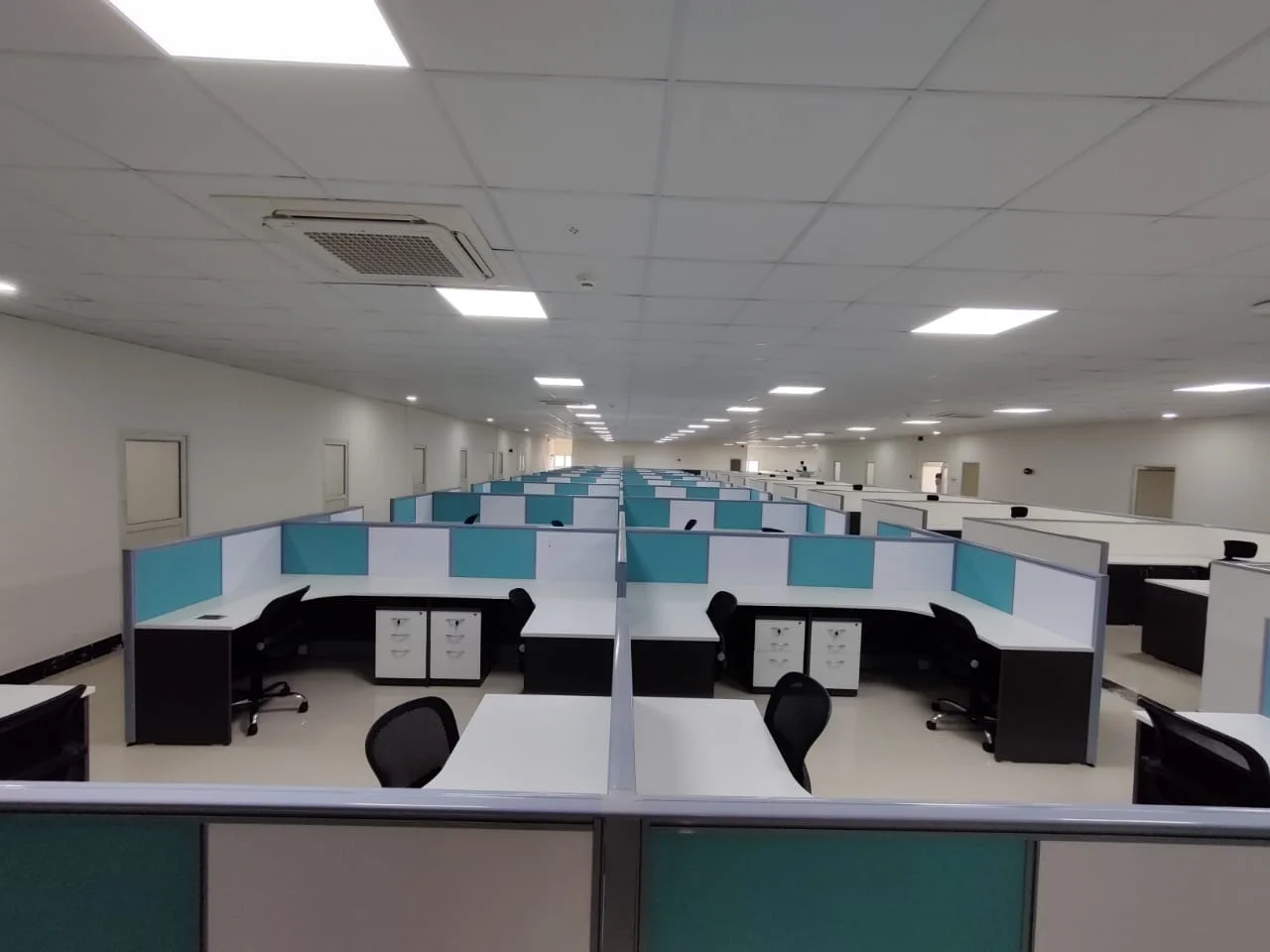
2. Modular Workstation
A modular workstation is the working heart of any office. Good workstation design balances two goals that sometimes conflict: fitting more people into a space and keeping each person comfortable and productive. Linear, L-shaped, back-to-back and cluster layouts are the most popular.
Typical specifications
- Desk size: about 1200 × 600 mm per seat, customisable
- Work surface: 18–25 mm laminated board
- Legs: powder-coated steel with levelling feet
- Add-ons: pedestals, keyboard tray, privacy screens, power and data access
Good to know: Cluster layouts encourage collaboration, while linear layouts suit focused work such as accounting and customer support. Many modern offices mix both, which is exactly where a modular approach pays off.
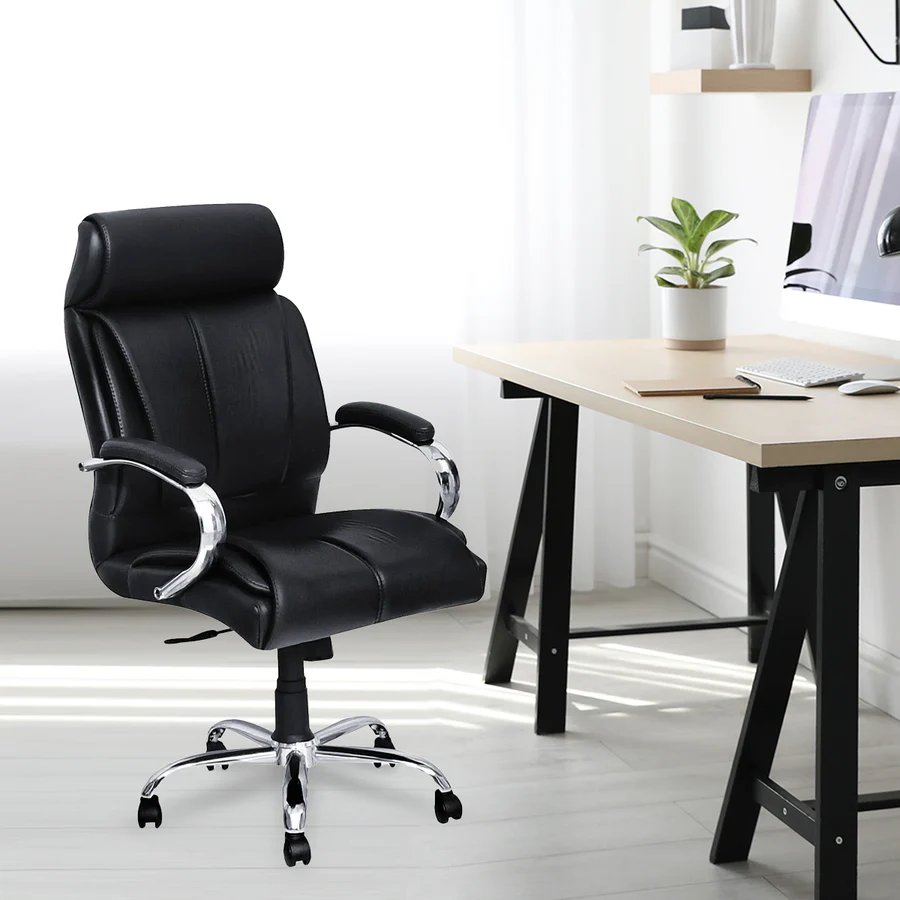
3. Office Chair
An employee spends six to nine hours a day in a chair. A poor office chair causes discomfort that reduces concentration, increases absenteeism and leads to long-term health complaints. A good chair adjusts to the person, not the other way around.
Typical specifications
- Mechanism: synchro or multi-lock tilt
- Height adjustment: pneumatic gas lift
- Seat: moulded or high-density foam; fabric, mesh, PU or leatherette
- Base: nylon, aluminium or metal five-star base with dual-wheel casters
- Armrests: fixed or 2D/3D adjustable
Good to know: Check that seat height, backrest angle and lumbar position can be adjusted, and that the foam supports long sitting hours. Executive, manager, task and visitor chairs each suit different roles and budgets.
4. Steel Cupboard
Files, records, uniforms, tools and stationery all need secure, organised storage. A steel cupboard is a long-lasting answer for offices, schools, hospitals, factories and government departments, because steel resists termites, moisture and everyday wear better than most wood-based alternatives.
Typical specifications
- Material: CRCA steel sheet, roughly 0.6–0.8 mm
- Finish: powder-coated after pre-treatment
- Doors: swing or sliding, with lock
- Interior: adjustable shelves, hanging rails, drawers
Good to know: In India's humid and monsoon-affected cities, steel storage avoids the swelling and warping that can affect wooden cupboards, and stays secure for years with minimal maintenance.
5. Steel Locker
Hybrid work has turned lockers from a factory feature into an office essential. When employees do not have permanent desks, they need a safe place to keep laptops, bags and personal belongings. Steel lockers also serve schools, colleges, gyms, hospitals, hostels and industrial units.
Typical specifications
- Configurations: 2 to 15 compartments or more
- Material: CRCA steel, powder-coated
- Locking: padlock hasp, cam lock or digital lock
- Features: ventilation slots, name-plate holders
Good to know: Match locker size to what people actually store. Office staff may need only a small compartment, while factory workers may need full-height lockers for uniforms and safety gear.
6. Slotted Angle Rack
For warehouses, stores and workshops, the slotted angle rack is one of the most practical and economical storage systems. It is assembled with nuts and bolts, so it can be extended, reduced or relocated without special equipment.
Typical specifications
- Frame: slotted steel angles, commonly 40 × 40 mm section
- Shelves: steel panels, adjustable in height
- Load capacity: varies by design, typically from about 100 kg per shelf upward
- Finish: powder-coated or galvanised
Good to know: If your inventory changes, you simply adjust shelf positions or add bays. This ability to adapt is why slotted angle racking remains popular with small businesses and large factories alike.
7. Storewell
A disorganised store costs time, money and sometimes safety. Storewell storage systems keep tools, spare parts, documents and inventory clearly arranged so that staff can find what they need quickly.
Typical specifications
- Material: heavy-gauge powder-coated steel
- Components: racks, bins, drawers and cabinets as complete systems
- Options: labelling, locking, custom sizes
- Applications: factories, service centres, hospitals, labs, stockrooms
Good to know: Well-organised storage reduces search time, lowers the chance of lost items and makes inventory counting easier, which has a direct effect on operating efficiency.
8. Canteen Table
A canteen table must handle spills, cleaning and constant use. Dining areas in factories, offices and colleges favour hygienic, easy-to-clean surfaces and a layout that moves people comfortably through peak lunch hours.
Typical specifications
- Seating: 4, 6 or 8 seater, fixed or movable seating
- Tops: laminate or stainless steel
- Frame: powder-coated mild steel, stable non-wobble legs
- Safety: rounded corners, non-slip feet
Good to know: Choosing the right table size and spacing avoids crowding while making full use of the dining area.
9. Bunk Bed
Urban hostels, paying-guest accommodation, labour housing, dormitories and children's rooms are increasing demand for the bunk bed. By stacking two sleeping spaces vertically, it offers double the capacity in the floor area of a single bed.
Typical specifications
- Frame: reinforced steel tubing, powder-coated
- Mattress: single size, commonly about 6 × 3 ft, custom sizes available
- Safety: guard rails on the upper bunk and a secure ladder or stairs
- Options: storage, loft style, single-over-double
Good to know: Look for stable joints, smooth edges and properly secured upper bunk rails, especially when the bed is for children.
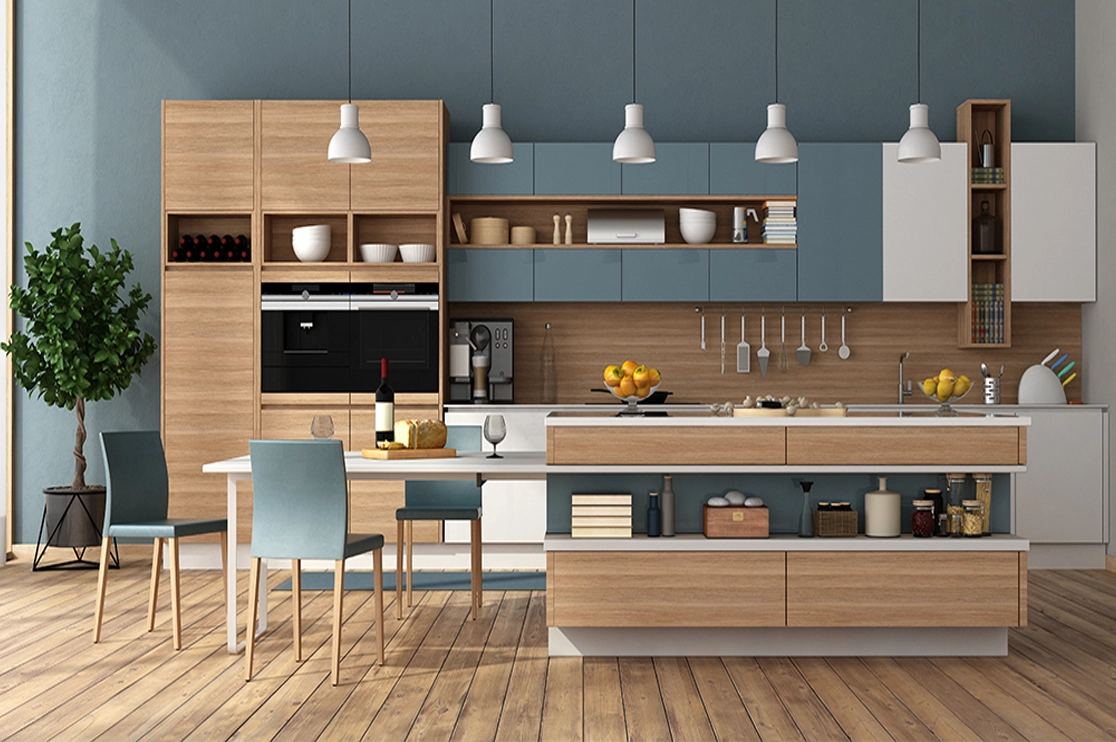
10. Home Furniture
Modern living spaces demand home furniture that does more than one job. Wardrobes with built-in storage, foldable study tables, beds with drawers and compact dining sets help families make the most of limited space.
Typical specifications
- Materials: plywood, engineered wood or steel
- Finishes: laminate, veneer or powder-coat
- Design focus: space efficiency and easy cleaning
- Customisation: sizes and layouts to match your home
Good to know: Measure your room carefully, decide which pieces must serve double duty, and choose finishes that are easy to maintain in a busy household.
11. Sofa Set
A well-built sofa set creates a welcoming impression in a living room, a hotel lobby or an office reception. Comfort, frame strength and upholstery quality decide how well it ages.
Typical specifications
- Frame: seasoned hardwood or engineered wood
- Cushioning: high-density foam
- Upholstery: fabric, leatherette or leather
- Configurations: 1+1+3, 3+2+1, L-shaped, lounge
Good to know: Check frame joints, foam density and fabric quality, since these determine how long the sofa keeps its shape and appearance.
12. School Furniture
Classrooms are changing. Teachers now organise group activities, project work and flexible seating, which requires furniture that is light enough to move yet strong enough for years of daily use. School furniture must also prioritise child safety and correct sizing.
Typical specifications
- Items: student desks, benches, chairs, teacher tables, lab furniture
- Edges: rounded for child safety
- Build: steel frames with wooden or laminated tops
- Sizing: matched to student age and height
Good to know: Furniture that is too large or small forces children into poor posture. Age-appropriate dimensions support comfort and concentration through the school day.
How to Choose the Right Furniture Manufacturer
Whether you are furnishing an office in Pune, a factory in Nashik or a school in Hyderabad, these points help you compare suppliers.
- Check materials and finish. Ask about steel gauge, board thickness, foam density and surface treatment. Specifications should be clear, not vague.
- Look for customisation. A good manufacturer adapts sizes, layouts, colours and configurations to your space.
- Confirm delivery and installation. Ask about timelines, transport and on-site installation, especially for large orders.
- Understand after-sales support. Reliable repair, replacement and spare-part support protect your investment.
- Prefer a full range. One supplier for office, storage, home and institutional furniture simplifies purchasing and keeps design consistent.
- Plan for the future. Choose modular products that can expand rather than furniture you will have to replace as you grow.
Common Mistakes to Avoid
- Buying only on price. The cheapest option may use thinner steel or low-density foam and need early replacement.
- Ignoring ergonomics. Savings on chairs and desks can be wiped out by lost productivity and health complaints.
- Skipping the floor plan. Measure your space and plan the layout before ordering so circulation and emergency access are never blocked.
- Forgetting storage. Offices without enough storage quickly become cluttered, which affects appearance and efficiency.
- Not planning for growth. Leave room in your design for added workstations, lockers or racks.
FAQ's
1. What is modular furniture?
Modular furniture is made from standardised units that can be combined, rearranged or expanded as your needs change. It is widely used in offices, homes and institutions because it saves money and space over the long term.
2. Which furniture is best for a hybrid office?
Modular workstations, adjustable ergonomic chairs and steel lockers are the most useful combination, because they support shared desks, varied users and personal storage.
3. What is the difference between a steel cupboard and a steel locker?
A steel cupboard mainly stores files, records and supplies in a shared space. A steel locker is divided into individual compartments, so each person has secure storage for personal belongings.
4. How much weight can a slotted angle rack hold?
Load capacity depends on angle thickness, shelf design and configuration. Typical racks start at around 100 kg per shelf, and heavier-duty versions are available. Always confirm the capacity for your order.
5. Which material is better for office storage, steel or wood?
For offices, factories and institutions, steel is usually more durable and resistant to moisture and termites. Wood-based materials suit residential interiors and executive spaces where appearance matters most.
6. Can furniture be customised in size and colour?
Yes. Modulartek Furniture offers customisation in size, finish, colour and configuration across its entire product range.
7. Which cities does Modulartek Furniture serve?
Modulartek Furniture serves Pune, Nashik and Hyderabad, and supplies furniture across India.
8. What safety features should bunk beds have?
Look for guard rails on the upper bunk, a secure ladder, smooth edges and stable joints, particularly for children.
Conclusion: Choose Furniture That Grows With You
The furniture decisions you make today shape how comfortable, efficient and adaptable your space is for years. The strongest trend in India in 2026 is clear: flexibility wins. Modular office systems, ergonomic seating, secure steel storage, space-saving beds and child-friendly school furniture all share one idea: make better use of space and adapt as needs change.
Modulartek Furniture is a trusted manufacturer, supplier and dealer across Pune, Nashik, Hyderabad and all of India, with a complete range covering modular office furniture, office chairs, bunk beds, canteen tables, home furniture, steel cupboards, slotted angle racks, steel lockers, sofa sets, modular workstations, Storewell storage and school furniture.
Contact Modulartek Furniture today to discuss your requirements and get a custom quote.